Understanding the dynamics of bioavailable lead (Pb-ava) and cadmium (Cd-ava) in soils from open-field and greenhouse cultivation is crucial for mitigating health risks. Research on Pb-ava and Cd-ava in greenhouse soils was limited.
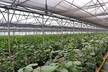
This study analyzed soils from leafy vegetable and grape plantations in Southwest China. Results indicated that in soils cultivated in greenhouses for 1–10 years, Pb-ava first increased and then significantly declined, while Cd-ava decreased initially and then rose sharply. The interactions of Pb-ava and Cd-ava with total lead (Pb-total) and total cadmium (Cd-total), along with meteorological factors, soil texture, properties, particulate matter 10 (PM10), and fertilization, were examined using redundancy analysis (RDA), structural equation modeling (SEM), and multiple linear regression with Lindeman-Merenda-Gold (MLR-LMG). In open-field conditions, Pb-ava and Cd-ava had minimal contributions to Pb-total and Cd-total; Pb-ava primarily stemmed from nitrogen fertilizer (Nfer, 21.57 %) and soil organic matter (SOM, 19.18 %), while PM10 contributed 16.42 % to Cd-ava. In the first 1–5 years of greenhouse cultivation, Pb-total contributed 54.50 % to Pb-ava. PM10 was the primary factor reducing soil Pb-ava, while Nfer and silt were the main factors influencing its increase. For the later 6–10 years, Pb-ava originates from Nfer. Cd-total contributed 8.40 % to Cd-ava in greenhouse soils during the first 1–5 years and 21.49 % during the 6–10 years, with sand significantly affecting Cd-ava.
The research highlights the importance of managing bioavailable lead and cadmium inputs from fertilization practices and soil texture under greenhouse conditions to mitigate soil pollution risk.
Yang, Y., Deng, Y., Zhang, J., Xia, Y., Bao, L., Su, Y., Wang, J., & Zhang, N. (2025). From open-field to greenhouse cultivation: Characteristics, and driving factors of soil bioavailable lead and cadmium changes in Southwest China. Environmental Research, 278, 121745. https://doi.org/10.1016/j.envres.2025.121745
Source: Science Direct