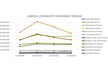
The destruction of the Kakhovka Hydroelectric Power Plant in 2023 severely impacted Ukraine's irrigation system, particularly in the southern regions. The Kakhovka Main Irrigation System, which previously watered thousands of hectares of farmland, suffered the greatest damage.
Before the full-scale invasion, Ukraine actively used irrigation, covering over 500,000 hectares between 2018 and 2021. However, after the collapse of the Kakhovka Reservoir, the irrigated area shrank by 95%, dropping to just 15,000 hectares in 2023. The consequences have been devastating since 78% of the country's irrigated land relied on the Kakhovka system.
Impact on agriculture
The loss of irrigation caused an 89% drop in agricultural production on irrigated land:
Vegetables: down 85% (from 910,000 tons in 2018 to 140,000 tons in 2023).
Grains & legumes: down 93% (608,900 tons → 44,400 tons).
Oilseeds: down 98% (588,500 tons → 13,100 tons).
Potatoes: down 30% (49,700 tons → 34,600 tons).
Economic losses
Grain losses: $82.9 million
Oilseed losses: $65.7 million
Vegetable losses: $217.3 million, including $109.3 million from tomatoes and cucumbers
Environmental consequences
The soil structure has also suffered significant changes:
Upstream: land is drying out, leading to salinization.
Downstream: fertile topsoil was washed away and contaminated with heavy metals.
Long-term recovery challenges
Direct losses: $5 million
Annual long-term losses: $300 million due to lack of irrigation
Increase in dry land: 45%, making agricultural recovery difficult
Outdated infrastructure: 80% of Ukraine's irrigation systems need modernization
To restore irrigation, major investments and infrastructure upgrades are crucial. However, with limited resources and ongoing war, recovery remains uncertain.
Source: superagronom.com