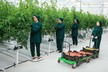
Sri Lanka farmers should adopt more affordable high-tech/mid-tech farming methods, such as greenhouse cultivation, to increase yield and minimize post-harvest waste in fruit and vegetable produce, like in the Netherlands, chairman, Agri Innovation and Lassana Group of companies Dr. Lasantha Malavige said.
“Netherlands being half the size of Sri Lanka, is the second largest fresh food exporter in the world. It adopts new technology, like the greenhouse concept, to ensure higher yields against environmental/climate and other external and internal changes," Malavige told the media at a function at the Hilton Colombo.
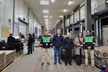
At the function, Malavige announced that his company had entered into a partnership agreement with Ginegar India and Agrilast India to open its doors to advanced green solutions for local farmers to ensure higher yield and safer food production for Sri Lanka.
Malavige went on to add: "Sri Lanka’s post-harvest waste of fresh fruit and vegetables is 35 percent to 40 percent while another 20 percent to 30 percent is considered to be of poor quality due to lack of proper knowledge among farmers of the relevant applications of chemicals and of the plants’ vulnerability to climate change due to the continued adoption by them of traditional farming methods."
Read the entire article at island.lk