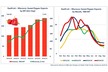
According to Fruit and Vegetable Facts, German fruit and vegetable imports, which had a marked decrease in 2022, experienced a slight additional reduction in 2023. In the last three years, exports have fallen from 9.2 million tons in 2021 to 8.5 million tons in 2022 and to an estimated 8.3 million tons last year.
This downward trend is mainly attributed to the decrease in imports from the German market's two main suppliers, Spain and the Netherlands. However, in terms of value, German imports of fresh fruits and vegetables have increased. In 2021 and 2022, the value stood at around 12,500 million euros, and it is estimated that last year, the value of imports amounted to 13,500 million euros, indicating that prices increased by at least 10%.
The estimate for 2023 is based on data on German imports of fresh fruits and vegetables during the first ten months, according to the German Statisches Bundesamt (SBA). Although the SBA mainly registers the country of origin and not the country of provenance as Eurostat, the figure provides an idea of the trend in German imports of products grown in the Netherlands.
Germany's fruit and vegetable imports in 2023 were led by bananas, tomatoes, and cucumbers, as the country imported 1.29, 0.65, and 0.57 million tons of these products, respectively. According to the SBA, German imports from the Netherlands fell from 1.32 million tons in 2022 to 1.28 million tons in 2023 and have experienced a 14% decrease in a few years.
The most relevant products imported from Spain were oranges and mandarins, but expectations are there was a significant decrease in 2023. Spanish cucumber and watermelon imports remained stable after the fall in 2022, and Spanish peach and nectarine imports had an outstanding recovery. In addition, German imports of Spanish peppers and tomatoes decreased again this year.
Meanwhile, there was an increase in sales from third countries such as South Africa, Morocco, Greece, Brazil, and Egypt in the German market in 2023.
Source: aenverde.es / fruitandvegetablefacts.com