"Over the last period, I have given a lot of thought to issues concerning the sale of fresh produce, such as the drop in consumption, speculation, and all those topics that deserve attention and respect," starts operator Ettore Ceccarelli from Longiano (Forlì-Cesena), who owns the Julius brand together with his brothers.
"I am not a politician nor a professor. I work in markets day after day to deal with purchases and sales and connect national and international producers and buyers. I certainly do not want to put the blame of what is happening on climate change or on the volatile needs of consumers or supermarkets."
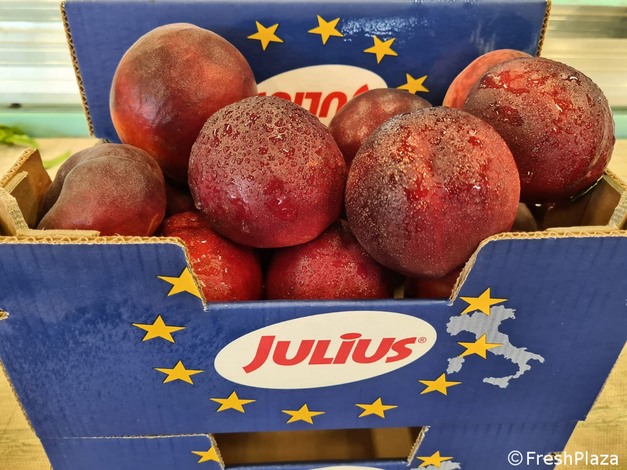
"I believe the difficulties we are facing are due to causes that manifest themselves periodically. This year, we have had to deal with three episodes of frost, two periods of excessive rain, cold temperatures in May, and two terrible hailstorms in April. This has affected fruit production, especially when it comes to early stone fruit varieties, as they have not developed a satisfactory flavor and size."
"Demand and supply, as well as the fierce competition to purchase produce from the few places that had abundant production, made prices skyrocket, with direct consequences on consumers. Now prices are finally stabilizing themselves thanks to higher availability."
"Behind all this are two aspects that I would like to stress: European regulations and increased imports. I personally believe that the decisions taken by Brussels over the past three years do not meet the needs of common European citizens. There is an excessive will to drastically reduce the use of plant protection products, which is leading to lower product quantities. Growers, without being certain that they can harvest their productions, are destroying orchards (e.g., pears) and reducing the land dedicated to potatoes, onions, tomatoes, and so on. The result is an increase in consumer prices."
"10% of the population has unlimited economic opportunities and can afford to purchase fruits and vegetables at €8-10/kg but, considering its beneficial properties, fresh produce should not become a luxury good. Do you know what leaves me astounded? That, to make up for the lack of produce caused in part also by the prohibition to use some products, we are increasing our imports from extra-EU countries that employ precisely those substances our community will not allow.".
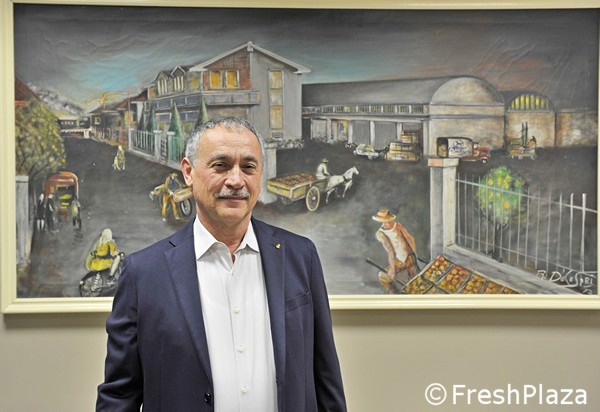 Ettore Ceccarelli
"The Egyptians flood us with potatoes, artichokes, and green beans while, 18 months ago, the Egyptian government introduced measures impeding the import of apples, plums, and kiwis from Italy. As a consequence, exports to Egypt dropped by 80%. Isn't it absurd?"
"And so I wonder: why do I have to do without domestic potatoes because I cannot use geo-pesticides in Europe (which, according to experts, leave no trace in tubers) and instead eat potatoes produced with geo-pesticides that are forbidden in Europe yet are still used in extra-EU countries?"
"Why do I have to resign to the end of pear cultivation in Italy for reasons similar to the ones mentioned above? Protecting the environment is of fundamental importance, but environmental policies must follow a logic that protects operators. Just read the report published on 08/25/21 by Informatore Agrario (less CO2 as a consequence of lower agricultural income). The US agricultural department has actually estimated that the impact of the policies introduced by Brussels will lead to them exporting 20% more to Europe!"
"Everyone talks a lot about zucchini or apricots, but why is no one complaining about the golden kiwis of a well-known brand sold at €9.96/kg? Is it right to sell kiwis at such a price only because multinationals and big actors publicize them a lot? No one talks about them! So why be surprised when domestic fruit, see, e.g., apricots in early June, were being sold at €4-5/kg?"
"The concept is that if you provide consumers with a product that is sweet, they will buy it again and again. However, as 90% of peaches and apricots were not sweet in early June, no one went back to buy them!
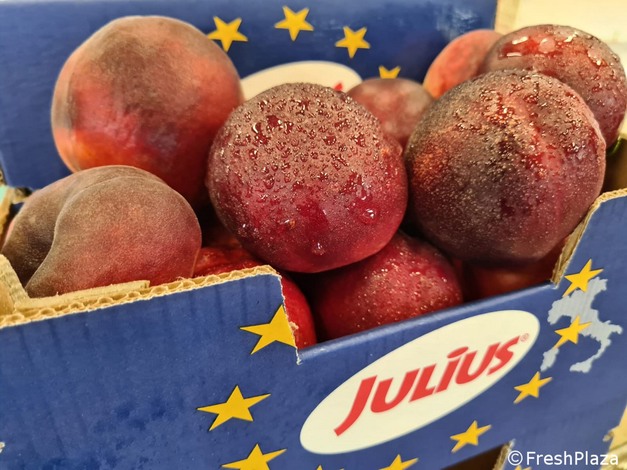
"Change should not be imposed by decrees, which should meet the needs of growers and consumers. A constructive, open dialogue between the various actors part of the sector is also of essential importance, and it should include governments, European bodies, and consumers in order to develop policies and practices that favor the prosperity of growers and the availability of high-quality produce for all. A collaborative and informed approach is the only way to effectively face current challenges and build an agricultural system that is fair and ecologically sustainable."