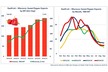
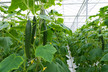
The Russian invasion of Ukraine is also affecting Turkey's fruit and vegetable exports to the region. The current situation between Russia and Ukraine, which are among the countries to which Turkey exports the most fruit and vegetables, has caused a decrease in the prices of greenhouse products in Turkey. In the domestic market, especially cucumber, tomato and pepper prices decreased by up to 30 percent.
Stating that Ukraine and Russia are important markets for fruit and vegetable producers, Turkish Fresh Produce Wholesalers Federation President Yuksel Tavsan said that the war also affected the exports to this region.
Noting that the prices of greenhouse products tend to decrease due to the war, Tavsan said, “There is a 20-30 percent decrease in prices. There is a decrease in the prices of tomatoes, cucumbers, and peppers in greenhouse products. Normally, these months are when the prices of greenhouse products are high."
Indicating that the risk in this area will be lower due to the end of the citrus fruit season, Tavsan said, "Tomato and pepper varieties are predominantly going to these countries this season. However, the kilogram price of tomatoes and peppers has dropped to 0.8 USD per kg. The prices of these products in the production region are even lower."
Stating that prices also entered a downward trend due to the increase in air temperatures last week, Tavsan said, “Hot weather increased production. When the war unfortunately started and consequently, there was a price decrease of 20-30 percent. This week the weather got cold again, the producer can wait for a while before harvesting his product which would cut the supply and balance the market."
Noting that most of the products go to this country via Ukraine and Belarus due to Russia's obstacles in some products, Tavsan said, "The war situation has a serious effect on fruit and vegetable producers. Now, when both markets stop, this will have a serious impact on prices. At the same time, there is an abundance of products. When the two factors come together, prices fall significantly. This is not good for the growers. The growers should not incur huge losses and go bankrupt. The cost of greenhouse production is already high. In this case, measures may need to be taken. A producer makes most of their profits in March-April. The prices have already been falling since May. Besides the purchasing power of the consumer, we must also consider the producer."
Emphasizing that a strategy should be determined for products that cannot go to the Ukrainian and Russian market, Tavsan said, "We experienced a similar situation in the aircraft crisis. We must create alternative markets for these products. We should not stick to a single market. There are trucks on the road right now, they will also return. The decline will be even more pronounced. These products are not products that can be stored, but must be sold as soon as possible."
Huseyin Demirtas, Chairman of the Turkish Agriculturalists' Association (TZD), stated that most of the trucks that set out to bring fresh fruits and vegetables to Russia and Ukraine have returned. Demirtas, who said that there is a problem in the region at the moment, said, “Some trucks are still waiting in the region. Many trucks have returned.”
Emphasizing that many products, especially tomatoes, green peppers, and eggplants are exported to Russia and Ukraine, Demirtas said, “With the sale of tomatoes, eggplants, green peppers and cucumbers in the domestic market, the prices of these products decreased by approximately 25 percent. There is no problem in consuming these products in terms of health."
Pointing out that the prices have risen excessively due to the increase in input costs recently, Demirtas noted that the prices will decrease further when products are started to be harvested from the fields in May - June.
East Black Sea Exporters Union Chairman of the Board Saffet Kalyoncu stated that sea and land shipments for fresh fruit and vegetable exports to Russia and Ukraine were almost closed and said, “After the start of the war in Ukraine, shipments decreased by 80 percent. No shipments can be made to Ukraine. For Russia, there are routes to Poland and Georgia, but the shippers do not want to prefer them.”
Source: Dunya