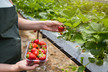
Barnaby Coupe, Land Use Policy Manager at The Wildlife Trusts, makes no bones about it: “Without bees, we would be unable to produce much of the food we take for granted. From everyday staples such as broccoli and apples through to seasonal treats like strawberries - a third of total food production is dependent on insect pollination.”
However, pollinators are in decline. They have been hit hard by the loss and fragmentation of the habitats they depend on, such as wildflower meadows and hedgerows, Coupe explains. Crucially - this includes the widespread and unnecessary use of toxic pesticides.
Extensive use of agricultural pesticides plays a major role in the decline of pollinators. That is the reason why last month’s decision by UK Environment Secretary, George Eustice, to grant ‘emergency’ use of the banned bee-killing pesticide, thiamethoxam, for sugar beet in England, was met with disappointment and disbelief.
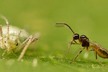
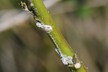
This went directly against the advice of government experts, who say there is an unacceptable risk to honey bees and other pollinators from using this chemical, which is used to control virus-carrying aphids. Aphids are small bugs that feed by sucking sap from plants.
The pesticide is used to control virus-carrying aphids (small bugs). In response, lawyers for the Wildlife Trusts are now launching a legal challenge, unless the government can prove their decision to be lawful.
Source: euronews.com