The joint sewage for horticulture is a fact. In this separate sewerage system with its own treatment plant wastewater from horticultural companies in Bommelerwaard is collected and drained. The water is purified in the treatment plant, which removes plant protection products and fertilizers. This makes the surface water in Bommelerwaard significantly cleaner. 25,000 cubic meters of water have already been collected and purified.
With this project, the municipality of Zaltbommel and the Rivierenland Water Board worked together with growers and water utility company Dunea on clean water. Such a collaboration of about 50 horticultural entrepreneurs and the government is unique in the Netherlands. Because where growers elsewhere in the country have to take care of the now mandatory treatment of wastewater for their company, growers in Bommelerwaard have joined forces.
35 kilometers of sewage lines
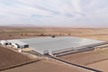
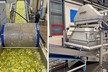
More than 250 hectares of horticultural area now collects wastewater from greenhouses via 54 pumps and 35 kilometers of sewage lines. This water goes to a special filter installation, which Waterschap Rivierenland built at the wastewater treatment plant in Zaltbommel.
The purified water goes from Zaltbommel to the Waal. The Dammed-up Meuse, which is where Dunea collects water to make drinking water for 1.4 million people in the western part of South Holland, is no longer tasked with treating this wastewater.
Forerunners
Every grower in the Netherlands must treat wastewater themselves. Clean water in ditches and canals is important for nature, agriculture, health, and collecting drinking water. That is why the water board, Dunea, the Glastuinbouwpact, and Glastuinbouw Nederland joined forces with the growers and the municipality of Zaltbommel.
Also, clean water is one of the objectives of the restructuring project for greenhouse horticulture in Bommelerwaard. This is carried out by Projectbureau Herstructurering Tuinbouw Bommelerwaard (PHTB). With this cooperation, growers are ahead of the industry objective of being emission-free by 2027. Councilman Bragt: "This collective horticultural sewage for industrial wastewater in Bommelerwaard gives an enormous boost to the environment and the quality of surface water.”
Financing
The municipality and the water board invested in the project and built the system, but ultimately the growers are the ones paying for the project. Because of its contribution to improving water quality and drinking water safety, the project was co-financed by the province of Gelderland, Dunea, and the European Union. The European Union made available a grant of 1.7 million, out of the 5 million that the sewage and treatment facility has already cost.