The preceding climate change demonstrates overwintering of pathogens that lead to increased incidence of insects and pest attack. Integration of ecological and physiological/molecular approaches are imperative to encounter pathogen attack in order to enhance crop yield. A recent study aimed to evaluate the effects of two plant growth promoting rhizobacteria on the plant physiology and production of the secondary metabolites in tomato plants infested with Spodoptera litura.
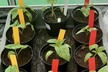
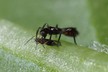
The surface sterilized seeds of tomato were inoculated with plant growth promoting rhizobacteria (PGPR) for 3–4 h prior to sowing. Tomato leaves at 6 to 7 branching stage were infested with S. litura at the larval stage of 2nd instar.
Identification of secondary metabolites and phytohormones were made from tomato leaves using thin-layer chromatography and high performance liquid chromatography and fourier-transform infrared spectroscopy. Infestation with S. litura significantly decreased plant growth and yield. The PGPR inoculations alleviated the adverse effects of insect infestation on plant growth and fruit yield.
An increased level of protein, proline and sugar contents and enhanced activity of superoxide dismutase was noticed in infected tomato plants associated with PGPR. Moreover, p-kaempferol, rutin, caffeic acid, p-coumaric acid and flavonoid glycoside were also detected in PGPR inoculated infested plants.
The FTIR spectra of the infected leaf samples pre-treated with PGPR revealed the presence of aldehyde. Additionally, significant amounts of indole-3-acetic acid, salicylic acid and abscisic acid were detected in the leaf samples. From the present results, we conclude that PGPR can promote growth and yield of tomatoes under attack and help the host plant to combat infestation via modulation in IAA, SA, ABA and other secondary metabolites.
Source: MDPI.