Hunger for tomatoes turns Canada into greenhouse superpower
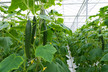
The other day, Paul Mastronardi led a walk through the grape tomato section of the sprawling, spotless greenhouse, where a jungle of vines reaches to the airport-scale ceiling. He picked a mini-Kumato, a brown cherry tomato that he then polished on his spotless white T-shirt and popped into his mouth.
“I’m all about flavour,” he said, adding, “I bet I eat 20,000 tomatoes a year.”
Mastronardi is the biggest player in Canada’s booming greenhouse vegetable industry, but the family has plenty of company. The Leamington area along the north shore of Lake Erie houses the greatest concentration of vegetable greenhouses in North America — an empire under glass.
Shoppers routinely buy produce from California, Florida and Mexico, especially in winter. Yet veggies increasingly flow the other way, too. Ideal conditions — a temperate climate, innovative growers and proximity to the biggest markets in North America — have caused this industry to explode.
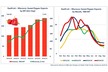
The value of Canada’s greenhouse produce crop more than doubled, to $1.3 billion last year from $600 million in 2001, and now eclipses eggs, potatoes or Durum wheat.
From Ontario alone, every day about 200 refrigerated transport trucks loaded with greenhouse tomatoes, peppers and cucumbers cross the border, headed to New York, Boston and as far away as Florida.
But it’s an industry that has dark clouds looming over it.
The greenhouses, heated with natural gas, already struggle with increased fuel prices under Ontario’s cap-and-trade carbon program. Electricity rate hikes have also taken a toll. Now, the Ontario Greenhouse Vegetable Growers says Ontario’s plan to raise the minimum wage to $15 will increase its labour costs by 35 per cent. There is talk of greenhouses closing, or relocating.
“We are pretty upset about what has been announced,” said George Gilvesy, chairman of the vegetable growers. “You cannot plan with these type of changes.”
On the plus side, Canadians consume more ketchup per capita than anywhere else. And what does ketchup need most? A whole bunch of tomatoes.
Read more at the Financial Post