The most common indoor garden pests and diseases
Common pests
Aphids
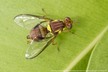
Aphids are known as plant lice and come in a variety of colors, including black, gray, and green. Aphids suck the juices out of plants’ leaves, turning them yellow. They can often be found around the stems, but can be found anywhere.
Spider Mites
If you discover webs on your plants, you likely have a spider mite infestation. Spider mites are tiny, oval arachnids with eight legs. They look like grains of sand, and are often found under the leaves. They puncture plant cells with their mouths, causing fluid loss that slowly kills the plants. The most common spider mite is the two-spotted spider mite, which you can identify by the dark spot on both sides of its body. Infestation occurs quickly because they can lay eggs at an alarming rate. The eggs are round and clear and become white right before they hatch.
Fungus Gnats
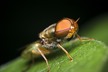
Adult fungus gnats actually do not cause damage to the plant; their larvae is what feeds on plant roots, which causes the plants to grow slowly and become weak and potentially die. The adults are small, black, and have long legs and clear wings. The larvae are clear with black heads.
Common diseases
Downy Mildew
Plasmopora viticola, a fungus, is what causes downy mildew. You can identify early signs of downy mildew include pale-yellow discoloration on top of the leaves. Later signs are red, yellow, or brown abrasions on the leaves. Finally, a fuzzy, white mildew forms underneath the leaves.
Powdery Mildew
Cleistothecia is the fungus that causes powdery mildew. Symptoms of powdery mildew include a white powder on the plants, stunted growth, yellowing of the plant, and leaf loss.
Gray Mold
The fungus Botrytis sp causes gray mold. It begins with small spots on the leaves of the plant, which then turn fuzzy and gray and eventually turn the plant brown and mushy.
White Mold
The fungus Sclerotinia sclerotiorum causes white mold. It may appear as though there is wet baking soda on the plant. This wilts the plant and causes the leaves to look bleached and tattered. Left alone, the mold turns hard and black.
Root Rot
Root rot occurs from too much water. It stunts the growth of the plant, causing the plant to wilt and become yellow. The roots sometimes become mushy as a result.
For more information:
Hydropods
999 18th Street, 3000
Denver, CO 80202
Toll free: (800) 432-0160
Local: (303) 710-2530
[email protected]
www.hydropods.com