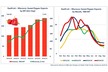
The lack of compulsory accreditation for Zimbabwean fruit and vegetable exporters could result in Zimbabwe failing to comply with global food safety standards, which could subsequently damage the country’s reputation. For this reason, horticultural companies are pushing for compulsory accreditation of fruit and vegetable exporters to ensure they comply with international food safety standards.
Zimbabwe has made significant strides in re-entering global markets particularly the European Union, but industry players have warned that failure to put in place tough controls may destroy market confidence.
The country has been recording growth of fresh produce exports to the European Union after the bloc imposed restrictions on fresh products from Kenya over use of banned chemicals.
According to Zimtrade, there is huge scope to increase Zimbabwe’s market share in the EU market.
It said local companies could also utilize the duty free and quota free access applied to Zimbabwe’s exports to the EU region under the interim Economic Partnership Agreement.
Zimbabwe’s horticultural industry has been on a rebound since 2010 following successive years of recession, which started on the turn of the millennium. Air cargo exports have been rising since 2012 mainly driven by vegetables.
Zimbabwe used to be one of the largest exporters of a wide range of horticultural products in Africa, supplying overseas markets including Europe and the Middle East. For instance, citrus exports peaked in 2001 at 45,000 tonnes, contributing 60 percent of fresh produce output.
Source: herald.co.zw