Learn about proper sanitation in the greenhouse and how to recognize vegetable disease symptoms.
Sanitation is one of many tactics needed for an effective disease management strategy. Sanitation refers to any practice that aims to prevent the spread of pathogens by removing diseased and asymptomatic infected tissue (not showing symptoms but in close proximity with diseased plants), as well as decontaminating tools, equipment and washing hands.
Sanitation is critical to prevent plant diseases in the greenhouse and the field. Michigan State University Extension recommends training your employees on practices that can reduce pathogen inoculum, or “seeds” of the pathogen. Consistent and effective sanitation leads to healthy plants.
Sanitation in the greenhouse
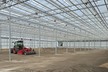
Sanitation is important year round, but prior to the beginning of a new season when the greenhouse is empty, a new opportunity to improve greenhouse sanitation awaits you. The greenhouse floor can harbor pathogens and therefore exposed soil must be avoided. An effective practice is to have concrete or gravel floors. Some other barriers are available – weed cloth or plastic – but concrete is a good, long-term investment.