US: Several factors boosting fruit and vegetable demand
A few of these factors include a population increasing in number and diversity, higher educational attainment and the accompanying higher income, and a better knowledge of diet and health issues fueled by the availability of information, especially through social media.
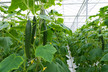
An expansion in consumer choice also could play a role in increasing demand, she says, including new specialty varieties, new products, new colors, mini-varieties, and greenhouse-grown produce. This too, has been spurred by international trade.
Public health concerns continue to grow in the U.S., says Collart, and this may in part be driving consumer interest in locally grown specialty crops, organic crops, direct-to-consumer marketing, and farm-to-table and farm-to-school trends.
There are also factors, she says, that have the potential to decrease demand for fresh fruits and vegetables including price increases for domestic production.
A recent study by USDA-ERS found that while a higher income brings better dietary knowledge and a greater consumption of fruits and vegetables, it also results in an increase in eating out, which reduces that same consumption, says Collart.
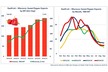
Increasing consumption and demand have resulted in a higher demand for imports, she says. As a share of domestic consumption, fresh vegetable imports have risen from 8 percent in the 1980 to 25 percent in 2010. During the same time period, fresh fruit imports as a share of domestic consumption have risen from 27 to 49 percent.
Click here to read more at southeastfarmpress.com.