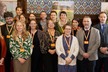
Mongolia is a country of extremes, especially when it comes to climate and geography. But also in terms of development, distribution of income, purchasing power, and the roles of government and business. Almost all sectors there, are still in their infancy. There is little to no experience with modern dairy farming, greenhouses or potato production. In short, it’s exactly the kind of place suitable for terraforming by Dutch agricultural entities. In the autumn of 2013, the Ministry of Economic Affairs organized an exploratory mission to the country. Existing contacts were strengthened, new ones have been laid and the preparations were made for some serious business deals.
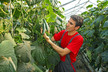
Especially in the cultivation of vegetables, there is a huge knowledge gap. Due to the nomadic past, people are not accustomed to growing food in one place.
Marinus Overheul, Agricultural Council in China, looks back on an eventful year in the bilateral relationship. This began with a visit by the Mongolian Deputy Minister for Industry & Agriculture Tuvaan in February 2013. He was impressed by the possibilities that Dutch companies could bring to these sectors in Mongolia.
Start-up phase
Overheul: “The Mongolian interest in our agro production and distribution is large, and the government in the capital Ulaanbaatar is fully committed to the country’s development and the creation of sustainable employment for the population (2.5 million inhabitants live in urban areas). The agro-food cluster has a prominent place in these designs. However, reaching an accord between Mongolian customers, Dutch suppliers, agents, investors and government officials can still be a complicated job. Given the extremely difficult conditions, the growing costs and the uncertain market situation, returns are by no means guaranteed. Coupled with complex financing conditions and extreme weather, preparation is crucial."
Overheul believes that long-term projects can only succeed after at least 5 years of (growing) guidance. In the first three years, he thinks, Dutch project managers and trainers will have to be on-site. “Also, we will have to press for vocational training, and work on offering qualified advice to both the Mongolian government and companies involved in various projects.”
Top Sector approach
Governments, mutual companies and knowledge institutes will work together to make the investment a success. The FMO bank may be interested in handing out so-called 'soft' loans, if a private investor is willing to sink at least 25% in the project, while having access to the required knowledge. Education and training are widely considered a must.
Source: Berichten Buitenland