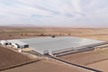
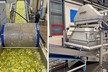
The Kenyan-based firm currently concentrates on the packaging and export of fruits from Kenya and has expanded to the export of grain to Europe from Ghana. According to experts, the company wishes now to engage in the export of vegetables from Ethiopia.
According to Captialethiopia.com, the firm is in the process of finalizing a deal with the Ethiopian Horticulture Development Agency (EHDA) to manage two packaging houses in Zeway and Meki towns located within 170km South of Addis.
The packing houses already erected under the auspices of the Ethiopian Horticulture Producers-Exporters Association (EHPEA) and funded by the Common Fund for Commodities (CFC), had been in use by EHPEA for 3 years and used to pack and export green beans before its transfer to the Meki-Batu Vegetable and Fruit Farmers’ Union.
“Initially, the packaging houses were established at the cost of 9 million birr and used the services of 300 farmers to export green beans,” Tilaye Bekele, Executive Director of EHPEA, told Capital. After the transfer was made to the Farmers’ Union, the beans were delivered in a limited way for the local market and exports had ceased, according to Union officials. Our sources indicated that now it is expected that Vegpro will lease these facilities and use them as the centre for its packaging and export activities. According to the plan, the company is expected to deliver the required seeds to the farmers and collect the produce for packaging and export.
An official at the EHDA stated that negotiations were still at an early stage. They indicated that EHDA is still working with Vegpro on amassing the required experience from Vegpro outgrowers in Kenya for the implementation of major vegetable and fruit production areas in the country. Other similar companies are approaching the agency to export horticulture products by using outgrowers for exports, according to the official.
Vegpro has a strong international reputation in the sector and is financed by international financiers like the International Finance Corporation (IFC), a member of the World Bank Group, for its investments in Africa.
While it has its own farms in diverse locations, it makes contributions by supporting smallholder farmers involved in the sector by buying their products at good prices.
Ethiopia has become one of the major flower exporters on the continent since investors began to actively engage in the sector in the past eight years. Although there are several vegetable and fruit farms in the country, the sector’s export has not grown according to government plans. In the Growth and Transformation Plan (GTP), the five-year development plan, the government has designed to substantially increase vegetable and fruit exports. To meet the target, EHDA has set aside several favourable locations around the country for interested local and foreign investors. In the first nine months of the current budget year the country earned USD 170 million from the sector in exports. The stated sum in revenue was generated from the sale of 1.63 billion flower stems and 103,000 tons of vegetables, fruits and herbs.
Of the total income the country generated, the revenue obtained from flower accounted for 80 percent. Currently, over 150 local and foreign companies are actively engaged in horticulture development in Ethiopia.