former NASA Engineer seeks solution to feed world
CFS: fully self-generating and sustainably-operating greenhouse growing system
So he founded Cybernated Farm Systems with the idea of building a fully self-generating and sustainably-operating greenhouse growing system that could feed precisely 634 people for 30 years, leave a small carbon footprint and provide nutritious, organic, fresh food in a world of rising poverty and hunger.
Sounds like a tall order, but Mallette is confident that his experiences figuring out the precise mechanical operations required for preparing a space shuttle pay load down to the minute square inch also prepared him for a humanitarian approach to making the world better.
“In contour crafting, you’ve got a robot that can build a 2,000-square-foot house in 24 hours,” Mallette said. “With our current technology, there is no reason anyone in the world should go hungry. We have the capabilities to feed everyone, in an affordable way that doesn’t destroy the planet.”
Mallette believes the old model of subsistence farming is a relic of the past, particularly with the challenges to agriculture from increasing climate change disruptions and disappearing arable land. He said the only way to address a rising population in bleaker urban and devastated rural landscapes is through engineered farming.
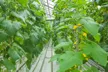
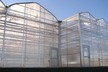
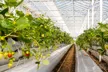
His preferred method is aquaponics, in a system that employs symbiotic relationships between mobile growing beds, tanks of nutrient-generating fish and a lightweight, and a polymer-constructed building that runs on solar and wind energy.
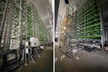
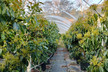
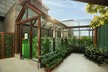
His 5,000-square-foot, self-contained, climate-controlled model features a central court of fish tanks (“Tilapia is the most nutrient-friendly for aquaponic crops and can provide extra protein for the community,” Mallette said), banks of grow beds on the longer sides of the building, solar panels outside and wind turbines above to generate energy (with LED grow lights fuelled by batteries on cloudy days), rain capture and storage devices, large container bins that precisely measure out seeding on a rotating basis and a NASCAR track-shaped conveyor belt to carry seed beds to harvest and back.
Click here to read further at seedstock.com