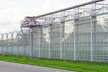
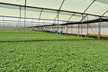
Mexico looks to high-tech 'agroparks' to drive agricultural future
The Agropark in Colón, Querétaro, is the first of its kind in Mexico, but the government is investing in similar projects around the country — all facilities that provide space for companies to grow specialized products for export. A network of these strategically placed agro-industrial parks could be a key part of the future for Mexico’s agriculture industry, which has changed drastically since Bill Clinton signed the North American Free Trade Agreement (NAFTA) in 1994.
“The idea is they want to have different Agroparks around the country, to have a web of Agroparks,” said Luis Alberto Ibarra Pardo, the director of FOCIR (Capitalization and Investment Fund for the Rural Sector), the government agency that initially invested in Agropark’s construction. “(The) thing is to know where to locate those Agroparks to have good connections with the rest of the country, with the export markets, and also to take advantage of the local competitive advantage of the regions in order to produce more efficiently in the region.”
But the future of Agropark expansion could be affected by the renegotiation of NAFTA that began in August between the United States, Mexico and Canada and is expected to conclude within a year.
Read more at tucson.com (Faith Miller)