"Share the Buzz"
What Grocery Shelves Would Look Like Without Bees
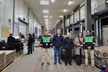
In a press release, Whole Foods says the stunt was part of the "Share the Buzz" campaign, a joint project with The Xerces Society that seeks to "raise awareness" about the importance of bees (honeybees in particular) to the health and vibrancy of our food system. Bees are the unsung heroes behind most of the world’s produce supply, and along with other pollinators like bats and birds, they are integral to growing and sustaining at least a third of its crop production.
Or as Whole Foods puts it; "One of every three bites of food comes from plants pollinated by honeybees and other pollinators. Yet, major declines in bee populations threaten the availability of many fresh ingredients consumers rely on for their dinner tables."
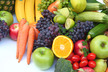
In total, the Providence store pulled 237 of 453 products off their shelves, amounting to just over half of the shop’s entire yield for the department. The variety of the ghost produce is astounding: Apples, avocados, carrots, citrus fruits, green onions, broccoli, kale, onions, and more would be obsolete or very expensive to grow without flourishing bee colonies.
Whole Foods says that consumers should be mindful of these facts and be proactive with, here it comes, their purchasing choices.
Source: fastcodesign.com