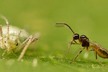
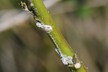
Canada: Super pest moths found in Abbotsford greenhouses could threaten $75-million B.C. pepper industry
Rana Sarfraz said he recently discovered the invasive diamondback moths in two commercial greenhouses in Abbotsford. Sarfraz, an expert in diamondback moths, said the infestation is serious because it threatens pepper production worth about $75 million annually in B.C.
Sarfraz is alarmed because this is the first time the pest has ever been found on peppers, and he doesn’t know why or how the moths have adapted to feed on the crop.
“That’s what we are trying to figure out. What’s going on?”, he said. “This is the first evidence of diamondback moths attacking peppers. It is an alarming threat to the pepper production industry. This has never been reported in any part of the world before.”
Sarfraz said diamondback moths traditionally feed on crucifers, which include canola, mustard, radish, cabbage and broccoli. Known as cole crops, they contain organic compounds called glucosinolates which act as a defence against most insects and diseases. Diamondback moths, however, have adapted to glucosinolates and use them for laying eggs and as food.
Bell peppers don’t contain any glucosinolates. Sarfraz said diamondback moths have been found before in B.C. but only outdoors on cole crops.
Sarfraz said he initially thought the infestation might be due to spillover from nearby cole crops, but none were found in the vicinity of the two greenhouses in Abbotsford, which asked not to be named.
Click here to read more at vancouversun.com