US (CA): Strawberry growing year-round endeavor
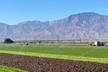
On the Central Coast, the 2015 crop of strawberries is planted. Although the fields are not bustling with activity over the winter months, strawberry farmers don't put their feet up once the plants are in the ground. New plants still require tending. Farmers keep a close on eye on the weather, balancing irrigation water and fertilizer with the effects of any rainfall. Mistakes made at this time of year are difficult to impossible to correct if problems arise during the rest of the season.
In contrast to the quiet fields, strawberry farmers down in Ventura County and Orange County are busy with their part of California's year-round cycle of strawberry production. Although the winter days are shorter, the winter temperatures are moderate, suitable for winter strawberries. The relatively mild winters allow for outdoor strawberry production, rather than the indoor or greenhouse production that may be found in more northern areas of the U.S. and Europe.
The development of "short-day" strawberry varieties at the University of California at Davis and the University of Florida allows these southern regions to deliver strawberries to market in winter. The flowering part of the strawberry plant's life cycle, necessary for producing fruit, is usually influenced by temperature and photo-period. (Photo-period is the number of hours an organism is exposed to daylight.) Short-day varieties are bred to bloom despite the fewer hours of sunlight in the winter, while still taking advantage of the moderate winter temperatures in Southern California. This photo-period adjustment is accomplished by good old-fashioned cross-pollination techniques.
For Southern California strawberry farmers, rain can be a mixed blessing. Rain can damage the fruit on the plant, causing cracking and rot. Damaged berries are stripped from the plants, as the quality can be substandard for both the fresh market and processing. However, the farmers are pleased to see rain.
In the north, where strawberry plants were planted last month, farmers in Santa Maria, Salinas and Watsonville report that plants are growing well with the "natural irrigation."
Source: thecalifornian.com