US (NC): Reclaiming the landscape: Greenhouse project to spur habitat restoration
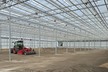
With the ribbon now cut on a 2,200-square-foot greenhouse and a black-clothed grow yard filled with 33,000 native plants representing 32 species, they’ve finally got something to show for it.
“By this fall we’ll have over 100,000 plants,” says project manager Patrick Breedlove, looking out over the yard of potted natives.
Those pots represent just the starting stock for what Breedlove eventually hopes to see covering the yard and growing along Cherokee stream banks. The department is continuing to get more species in — largely from the N.C. Forest Service, which has given the Eastern Band a reduced price — with plans to gather still more from the backcountry.
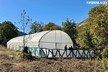
Come fall, they’ll take cuttings of all the plants and start growing those cuttings into new plants. Those baby plants will go in the greenhouse for the winter while their roots grow and their stems harden into wood, and from there they’ll move to a soon-to-be-erected cold-weather hoop house. The last stop will be a return to the grow yard when the weather gets warm, where they’ll await planting in some tribal restoration project. Meanwhile, another batch will be growing up six months behind.
“Our goal in three to five years is for us to provide all plants, not just for environmental-based projects but to land-based projects that need native plants,” Breedlove said.
Click here to read the complete article at smokymountainnews.com